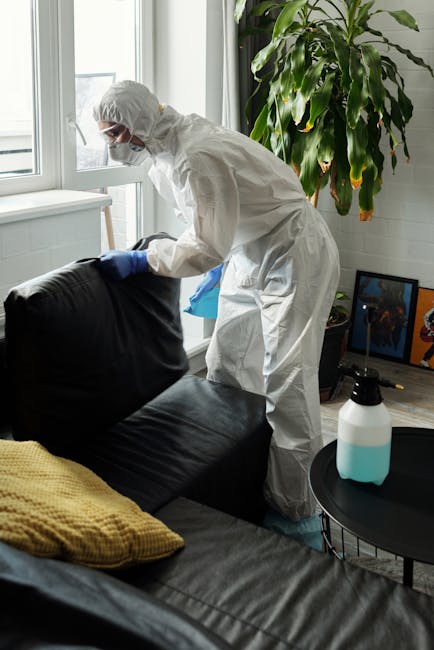
Fortess Road upholstery cleaning experts in Kentish Town
Posted on 08/05/2026
Fortess Road upholstery cleaning experts in Kentish Town: a practical local guide for cleaner, longer-lasting furniture
If your sofa is looking a bit tired, your dining chairs have picked up everyday grime, or that one stubborn mark has been staring at you for weeks, you are not alone. Upholstery takes a beating in busy homes and workplaces, especially around Fortess Road where life moves at a steady London pace and furniture rarely gets a quiet day off. This guide to Fortess Road upholstery cleaning experts in Kentish Town explains what professional upholstery cleaning actually involves, why it matters, how the process works, and how to choose a service that makes sense for your home, budget, and fabric type.
You will also find practical tips, a comparison table, a real-world example, and a simple checklist you can use before booking. If you are also comparing broader services, you may find it useful to look at the company's services overview, or read more about deep cleaning in Kentish Town if your furniture needs to be tackled as part of a bigger reset.

Why Fortess Road upholstery cleaning experts in Kentish Town Matters
Upholstery cleaning is one of those jobs people often delay until the fabric has already started to look flat, patchy, or simply a bit grey. Then the room feels dull, even if everything else is tidy. That is why local expertise matters. The right cleaner does not just remove surface dirt; they understand fabric behaviour, stain risk, drying times, and how to protect furniture in real homes, not showroom conditions.
On Fortess Road and the surrounding Kentish Town streets, furniture often has to deal with more than ordinary dust. Think shoes coming in from the pavement, food and drink in compact flats, pet hair, central heating drying fabrics out, and the occasional accidental spill that seems to happen right before visitors arrive. Truth be told, upholstery can look worn long before it is actually worn out. The challenge is knowing the difference.
Professional upholstery care matters because the wrong cleaning method can do more harm than good. Some fabrics are sensitive to moisture, some stain badly if treated with the wrong product, and some fillings hold onto damp for longer than you would expect. A good local expert reads the fabric, checks the construction, and chooses a method that fits the piece rather than forcing a one-size-fits-all approach.
If you are in the middle of a wider home refresh, it can also make sense to combine upholstery work with spring cleaning in Kentish Town or even a one-off full refresh via one-off cleaning in Kentish Town. That kind of joined-up approach often feels calmer. Less back-and-forth, fewer missed spots, and a better overall result.
How Fortess Road upholstery cleaning experts in Kentish Town Works
Professional upholstery cleaning is usually more methodical than people expect. It starts with inspection, not spraying and hoping for the best. A proper cleaner will identify the fabric type, note any wear or damage, check for colour instability, and look at the nature of the stains before deciding on treatment.
The process often includes a few straightforward stages:
- Assessment: The cleaner checks material, condition, and problem areas such as armrests, headrests, seat cushions, or food marks.
- Dry soil removal: Loose dust, crumbs, and debris are removed first. This matters more than people think, because trapped grit can make the cleaning step less effective.
- Pre-treatment: Stains or heavily soiled areas may be treated with fabric-safe solutions chosen for the specific material.
- Cleaning method: Depending on the fabric, this might involve low-moisture extraction, hot water extraction where suitable, or a gentler technique for delicate items.
- Spot attention: Remaining marks are reviewed and treated again if appropriate. Sometimes a stain needs a careful second pass, not brute force.
- Drying and finishing: The cleaner will help reduce moisture and advise on airflow, use, and drying time.
What does this mean for you in practice? It means the best results come from patience and judgement, not just powerful equipment. A sofa in a busy family living room does not need the same treatment as a lightly used accent chair in a rental flat. That distinction is the whole game.
In many homes, the upholstery clean works best alongside carpet or floor care, especially where dust and traffic marks travel between surfaces. If that sounds familiar, have a look at carpet cleaning in Kentish Town to see how the two services complement each other.
Key Benefits and Practical Advantages
Let's face it, most people book upholstery cleaning for one immediate reason: the furniture looks better. That is fair enough. But the real value usually goes beyond appearance.
Cleaner fabrics improve the feel of a room. A fresh sofa changes the whole atmosphere. Colours look brighter, the fabric feels less greasy, and the space can smell cleaner too. Small change, big difference.
It can help furniture last longer. Dirt and grit wear down fibres gradually. Regular cleaning reduces that slow abrasion, which is especially helpful for higher-use items like family sofas, dining chairs, and office reception seating.
It supports a healthier indoor environment. Upholstery can hold dust, allergens, pet dander, and everyday particles. While cleaning is not a medical service and should never be described that way, a cleaner fabric surface can make a room feel fresher and easier to live with.
It helps with tenancy, sale, or hosting prep. If you are preparing a property for viewings, a move, or guests, clean upholstery helps the place feel cared for. That kind of detail matters. People notice, even if they do not say it out loud.
It can save money compared with early replacement. Replacing a sofa or a full set of dining chairs is far more expensive than maintaining them properly. Sometimes people think an item is "done" when, in reality, it just needs the right treatment and a bit of attention.
For landlords, tenants, and homeowners alike, upholstery care can sit neatly alongside end of tenancy cleaning in Kentish Town or routine house cleaning in Kentish Town. A tidy room is one thing. A room that genuinely feels clean is another.
Who This Is For and When It Makes Sense
This service is not only for people with visible stains. In fact, many of the best cleaning jobs are preventative. If you wait until a sofa is deeply marked, options can become more limited. So who benefits most?
- Families with children: Spills, food marks, and general wear build up quickly.
- Pet owners: Fur, odours, and occasional accidents can settle into fabric fibres.
- Renters: Keeping furniture presentable helps with inspections and everyday comfort.
- Homeowners: Regular maintenance can keep living rooms, dining rooms, and spare rooms feeling fresher.
- Landlords and letting agents: Upholstery often influences how a property presents during changeovers or viewings.
- Small offices and clinics: Waiting areas and staff seating pick up grime from repeated use and need scheduled attention.
When does it make sense to book? Usually when you notice one or more of these signs: dull-looking fabric, lingering odours, visible marks, flattened seating areas, or dust that keeps coming back despite regular vacuuming. If you are about to host people, move out, or photograph a property, that is another sensible moment.
There is also a practical local angle. Kentish Town homes can vary a lot, from compact flats to larger period properties, and that means furniture use patterns vary too. A cleaner who understands the local rhythm is often better placed to advise realistically, not just technically.
If you are still comparing service types, it may help to read the broader domestic cleaning service in Kentish Town and the more targeted upholstery cleaning page for a clearer idea of scope.
Step-by-Step Guidance
If you have never booked upholstery cleaning before, the process can feel slightly mysterious. It is not, really. Here is a sensible way to think about it.
- Identify the item and the material. Note whether it is a sofa, armchair, ottoman, dining chair, or office seat. Check labels if you can. Fabric codes matter.
- Think about the problem. Is it a stain, general dullness, an odour, pet hair, or a mix of all four? The cleaner will need to know.
- Request an assessment or quote. Share photos and a short description. If the item has delicate fabric or old marks, say so.
- Prepare the space. Move small items, clear cushions if possible, and make sure access is easy. It saves time and reduces the odds of someone tripping over a rogue footstool. Happens more than you'd think.
- Let the cleaner inspect on arrival. Good cleaners will re-check the fabric and set realistic expectations before starting.
- Allow drying time. Do not rush this bit. A sofa that feels dry on the surface may still hold moisture deeper in the padding.
- Follow aftercare advice. Keep the room ventilated, avoid sitting on the item too soon, and treat new spills promptly.
A small but useful point: if the upholstery is part of a larger project, such as a pre-move tidy or a refresh before guests arrive, coordinate it with your wider cleaning plan. A neat sequence can save effort. If the bigger picture matters, learn more about the company and how they position their local cleaning approach.
Expert Tips for Better Results
Here is where a lot of people save themselves time, money, and a bit of disappointment.
- Vacuum first. Dry soil removal is not optional. It makes a real difference to the final finish.
- Test before treating. Even if a stain looks obvious, fabric reactions can be surprising. A cautious test is always sensible.
- Be honest about previous attempts. If you used a supermarket cleaner or baking soda trick last month, say so. Residue changes how a professional should approach the fabric.
- Do not soak the item at home. Over-wetting can lead to odours, slow drying, or water marks. It is one of those "seems harmless" mistakes that can turn awkward.
- Open windows where possible. Fresh airflow helps drying. On a chilly Kentish Town afternoon, even a small draught can make a difference.
- Book before visible damage gets worse. Sun fading, repeated friction, and old spills all become more stubborn over time.
A good cleaner should also explain what they can and cannot safely remove. That honesty is a positive sign, not a weakness. If someone promises miracles for every stain, well, be careful. Upholstery has limits, and it is better to hear that upfront.
For people planning larger seasonal refreshes, the advice often pairs well with spring cleaning services in Kentish Town, especially if soft furnishings, carpets, and high-touch areas all need attention together.
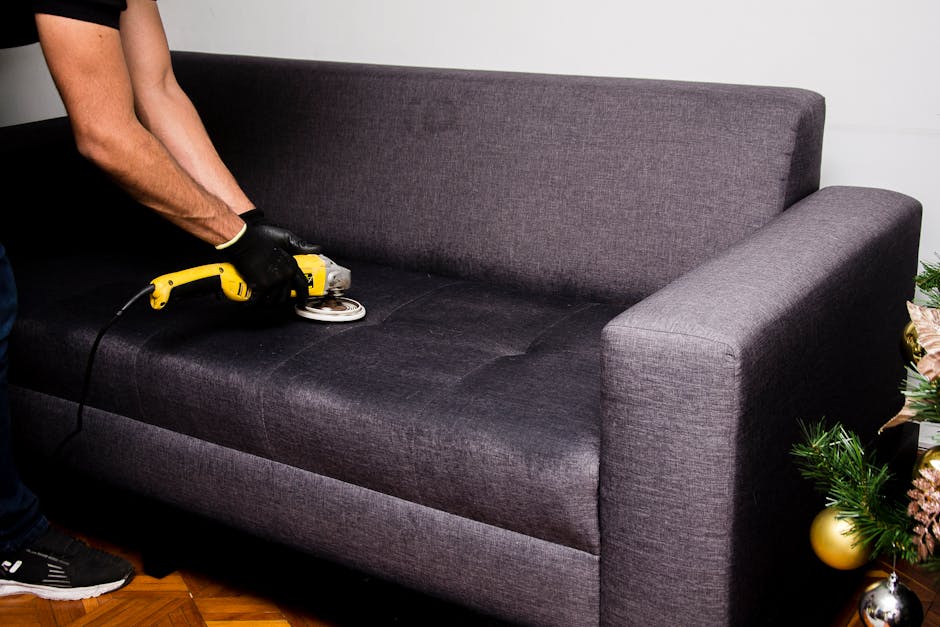
Common Mistakes to Avoid
Most upholstery problems do not come from dramatic disasters. They come from small, repeated errors. The kind that feel harmless in the moment.
Using the wrong product. A stain remover that works on one fabric can leave a ring or patch on another. That is why fabric identification matters.
Scrubbing too hard. Friction can spread the stain, rough up the fibres, or push soil deeper into the weave. Gentle is usually better.
Ignoring the cushion inners. If only the surface is cleaned and the filling still holds odour or moisture, the result can be disappointing. Sometimes the smell comes from inside, not outside.
Assuming every mark is permanent. Not every stain can be removed, but some that look old can still improve a lot. A measured assessment beats guesswork.
Skipping drying advice. Sitting on damp upholstery too early can flatten pile, cause re-soiling, or slow the finish. Patience, annoying as it is, helps.
Choosing a cleaner on price alone. Cheap is not always expensive, but with upholstery, the wrong method can cost you more than the job itself. A balanced choice matters.
If you are comparing providers, it is worth reviewing pricing and quotes carefully and checking how the service is explained, not just how it is advertised.
Tools, Resources and Recommendations
The right tools make a cleaner's job safer and more effective, but the best tools still depend on knowledge. There is no magic wand here. Just method, care, and the right setup.
| Tool or approach | What it helps with | Good to know |
|---|---|---|
| Upholstery vacuum attachments | Removing loose dust, crumbs, and pet hair | Useful before and after cleaning; simple but essential |
| Fabric-safe pre-treatment | Loosening marks and soiling before the main clean | Should be matched to the fabric and stain type |
| Low-moisture cleaning system | Delicate or lightly soiled upholstery | Often chosen when faster drying is important |
| Hot water extraction, where suitable | Deeper cleaning on compatible fabrics | Not suitable for every material, so inspection comes first |
| Protective aftercare advice | Helping the fabric stay cleaner for longer | Ventilation, cushions rotation, and prompt spill response all help |
Resources worth keeping handy include the service page for one-off cleaning if your upholstery clean is part of a bigger reset, and the local contact page if you want to ask about access, fabric types, or turnaround before booking. That quick question can save a lot of back-and-forth later.
If you prefer to move straight to an estimate, the request a quote form is usually the most efficient next step. Keep photos clear and mention any stains, pets, or delicate materials. Straightforward, really.
Law, Compliance, Standards, or Best Practice
Upholstery cleaning is not a heavily regulated trade in the same way that some specialist services are, but responsible providers still need to work to clear professional standards. That includes safe handling of equipment and chemicals, sensible risk assessment, and honest communication about what can realistically be achieved.
In practical terms, a trustworthy service should be mindful of:
- Health and safety practice: Especially where water, electricity, and slip risk are involved.
- Fabric-safe methods: Avoiding unnecessary damage through over-wetting or aggressive treatment.
- Clear terms and expectations: What is included, what might cost extra, and what outcomes are likely.
- Insurance awareness: Reputable providers should be able to explain how they manage risk when working in customer homes.
- Respect for privacy and property: A cleaner is working in your home or workplace, so professionalism matters as much as technique.
If you want to understand how a provider approaches these duties, the company's health and safety policy, insurance and safety information, and terms and conditions are useful places to start. These pages do not just tick boxes; they help set expectations properly, which is half the battle in service work.
For customers who care about transparency, trust pages such as privacy policy, payment and security, and the complaints procedure are worth checking too. Not glamorous, perhaps, but very useful. Nobody wants surprises at the wrong moment.
Options, Methods, or Comparison Table
Different upholstery items need different approaches. The table below gives a practical comparison, not a hard rule. A proper cleaner will still decide based on the fabric, the soil level, and the item's condition.
| Method | Best for | Strengths | Watch-outs |
|---|---|---|---|
| Low-moisture upholstery cleaning | Delicate fabrics, quicker turnaround, lighter soil | Faster drying, reduced risk of over-wetting | May be less aggressive on deep-set grime |
| Hot water extraction, where suitable | Durable fabrics with heavier soiling | Can reach deeper into fibres | Not appropriate for all materials; needs careful control |
| Targeted stain treatment | Single marks, spill spots, isolated problem areas | Efficient and precise | Sometimes reveals that surrounding soil is worse than the spot itself |
| Full-piece restorative clean | General dullness across the whole item | More even final appearance | Needs more time and usually more preparation |
So which is best? That depends. If your sofa has one coffee mark but otherwise looks fine, a targeted approach may be enough. If the armrests have turned dark and the fabric looks tired everywhere, a full clean is usually the better call. It sounds obvious, but people often ask for a "stain removal" job when what they actually need is an overall refresh.
Case Study or Real-World Example
Imagine a typical Fortess Road flat: a fabric three-seater sofa, two dining chairs, and a small armchair in the corner by the window. The sofa has a few food marks near the middle cushion, the armrests look darker than the rest, and the armchair has collected dust and pet hair from daily use.
The first thing a good cleaner would do is inspect the fabric and identify the safest method. The sofa might be suitable for a controlled deep clean, while the dining chairs could need a gentler treatment because of the fabric weave. The armchair may only need a lighter process plus extra attention around the seams where dust settles.
What tends to surprise people in this sort of job is the overall change, not just the stain removal. Once the fabric is lifted, the room looks brighter. The smell shifts too, subtly but noticeably. Not perfume-heavy, just fresher. A bit like opening the windows on the first mild day after a long winter. Small, but meaningful.
In a real home, that kind of result often makes people more protective of the furniture afterwards. They vacuum more often, use throws more thoughtfully, and react faster to spills. That is a good thing. Clean upholstery tends to stay cleaner when people feel a bit more attached to it.
Practical Checklist
Use this before you book upholstery cleaning in Kentish Town or Fortess Road.
- Check the item type: sofa, chair, stool, ottoman, office seating
- Look for fabric labels or care tags if available
- Note stains, odours, pet hair, or water marks
- Take clear photos in daylight if requesting a quote
- Measure access points if the item is large or awkward
- Ask whether the method suits delicate fabrics
- Confirm drying guidance and how long the room may be out of use
- Ask about any extra charges for heavy staining or very large items
- Review the provider's trust pages and policies
- Prepare the space before the cleaner arrives
Quick takeaway: the best upholstery cleaning is careful, fabric-aware, and realistic. It should improve the item without creating new problems. That is the benchmark to keep in mind.
Conclusion
Fortess Road upholstery cleaning experts in Kentish Town are there to do more than tidy up a sofa. The real value is in protecting the furniture you already own, keeping your home or workplace feeling fresh, and avoiding the slow creep of wear that makes rooms feel older than they are. Done well, upholstery cleaning is one of those small investments that quietly improves everyday life.
If you are weighing up whether to book now or wait a bit longer, think about how the furniture is actually used. Busy homes, pet households, and shared spaces usually benefit from earlier attention rather than later. And if you want a cleaner, calmer result without the guesswork, a local, fabric-aware approach is usually the safest path.
Get a free quote today and see how much you can save.
Sometimes the difference between "it will do" and "that feels much better" is just one careful appointment. And honestly, that can be a lovely thing to come home to.